Overview of Hand and Foot
Hand and Foot is a rummy‑style card game where each player receives two 13‑card hands: a visible Hand and a hidden Foot. Players meld sets, aim to go out, and score points over several rounds. It mixes skill, luck.!
What is Hand and Foot?
Hand and Foot is a classic rummy variant that blends the excitement of Canasta with a unique double‑hand mechanic. Each participant receives two separate piles of 13 cards: a visible Hand and a concealed Foot. Players begin by playing out the Hand, forming melds of sets or runs, and may discard or draw from the stock or discard pile. Once the Hand is exhausted, the Foot is revealed and play continues with the same rules, but now the player must use the previously unseen cards. The objective is to create valid melds—minimum three cards of the same rank or a sequence of at least three consecutive cards in the same suit—while avoiding high‑point deadwood. The game is played over multiple rounds, and the first player to reach a predetermined score, typically 5,000 points, wins. Hand and Foot requires strategic timing, careful card management, and a keen eye for melding opportunities, making it a favorite among rummy enthusiasts worldwide. Players also keep track of deadwood points, which are tallied at the end of each round, and strategic discarding can prevent opponents from completing melds!
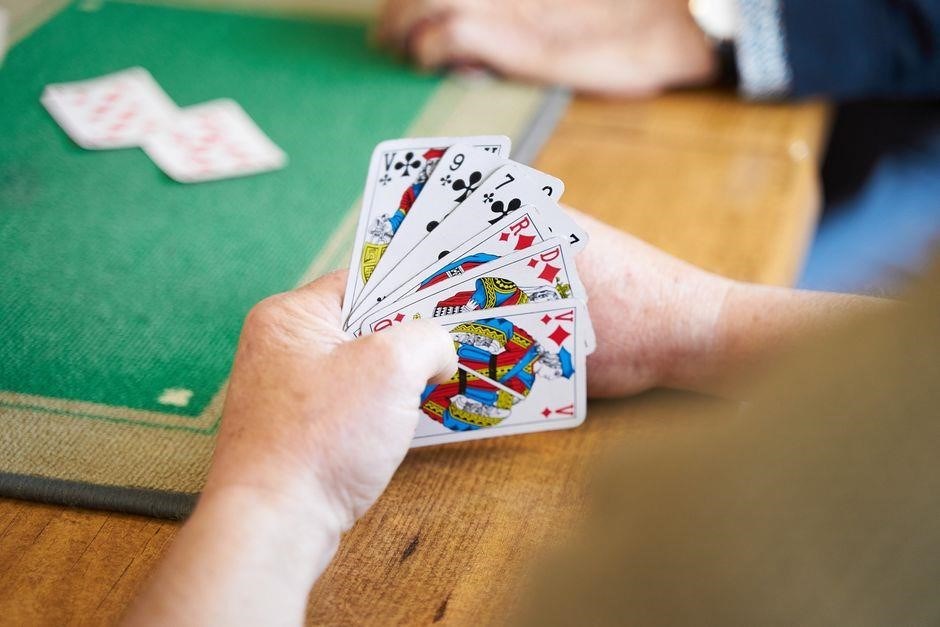
Game Components
Two 52‑card decks, jokers as wilds, and a scoring sheet. Each player gets 26 cards split into a 13‑card Hand and a 13‑card Foot. A stockpile, discard pile, and dealer marker complete the set.!!
Decks and Card Values
Hand and Foot uses two standard 52‑card decks plus two jokers, making 108 cards total. Each suit—clubs, diamonds, hearts, spades—contains thirteen ranks: Ace, 2‑10, Jack, Queen, King. Jokers are wild and can represent any rank or suit. Card values for scoring are: Aces count as 15 points, face cards (J, Q, K) as 10 points, numbered cards 2‑10 as face value, and jokers as 0 points. In melds, a set of three or more cards of the same rank earns points equal to the sum of their values; a run of three or more consecutive cards of the same suit earns points equal to the sum of their values. The game distinguishes between “clean” and “dirty” books: a clean book contains only natural cards, while a dirty book includes at least one joker, affecting the point totals. Players may also use the special “wild” cards to create high‑value melds, but each joker used in a meld reduces the total score by 5 points unless the meld is a “clean” book. The dealer also flips the top card of the stockpile to determine the initial discard, which can be immediately used by the first player if it completes a meld. During play, players may lay off cards onto existing melds on the table, but only if the meld remains valid according to the game’s rules. The stockpile is replenished by drawing from the deck until it is exhausted, at which point the discard pile is reshuffled. Scorehighwin!

Player Count and Setup
Hand and Foot accommodates 4‑6 players. Each player gets two 13‑card piles: a Hand and a Foot. Shuffle two 52‑card decks jokers, deal 13 cards faceup for Hand, 13 facedown for Foot then flip the stock’s top card to start play!
Number of Players
Hand and Foot is designed for 4 to 6 players, though variations allow 2 or 3 with smaller decks. Each participant receives two 13‑card piles: a visible Hand and a hidden Foot. The game’s double‑hand mechanic demands that players manage both sets, making the number of participants a key factor in pacing and strategy. With four players, the stock runs faster, encouraging quicker melds and tighter timing. Five or six players increase the deck’s density, allowing more opportunities for high‑value combinations and more competitive scoring. In smaller groups, the game can be extended by adding a second deck or using fewer cards per hand, but the core rule of two separate piles remains unchanged. Regardless of player count, the objective stays the same: form melds, go out, and accumulate points over multiple rounds. The game’s flexibility allows players to adjust the number of cards per hand or introduce decks, but the core rule of two separate piles remains unchanged. Strategic planning and timing are crucial, as players must decide when to switch from Hand to Foot balancing risk and reward now!
Dealing Hands and Foot
In Hand and Foot, the dealer first shuffles a standard 52‑card deck. Each player receives two piles of thirteen cards: a Hand dealt face‑up and a Foot dealt face‑down. The Foot must stay hidden until the Hand is fully played.
After all Hands and Feet are dealt, the remaining cards form the stockpile, placed face‑up in the center. The top card of the stockpile is turned over to start the discard pile. The dealer then turns over the next card to begin the first turn.
Players may only meld or play cards from their Hand. Once a player has used every card in their Hand, they may flip over their Foot and continue playing. The Foot cannot be touched before the Hand is finished, adding a strategic layer to the game.
When the stockpile is exhausted, players must use the discard pile to continue drawing. The last card of the discard pile can be taken only if it completes a meld or a set. This rule encourages careful observation of opponents’ discards and timing of your own plays;
Scoring uses card values and bonuses; points are tallied over rounds each
Card Distribution Mechanics
Players receive two 13‑card sets: a face‑up Hand and a face‑down Foot. The Foot remains hidden until the Hand is exhausted. After each hand, the next player draws from the stock or discard, ensuring balanced play!!!!
Hand vs Foot
In Hand and Foot, each player receives two 13‑card piles: the Hand, which is exposed and played first, and the Foot, which stays face‑down until the Hand is exhausted. The Hand is the active deck; players draw, meld, and discard from it during their turns. Once the Hand is depleted, the player flips over the Foot and continues playing those cards. The Foot’s concealment forces players to adapt to new combinations as they appear, adding a strategic layer. Special “wild” cards in the Foot may be used to complete melds, but they are revealed only when played. The transition from Hand to Foot is mandatory; a player cannot skip the Foot or play its cards before the Hand is finished. This rule ensures a predictable sequence while keeping the final stages unpredictable. The Hand’s visibility gives opponents clues about potential melds, whereas the Foot’s secrecy preserves surprise, balancing skillful planning with chance; Players must also manage their hand size and timing, as drawing from the stock can introduce high‑value cards that influence the final score. Timing of discards can also create build melds!!! and luck today!
Face-Down Foot Rules
In Hand and Foot, the Foot is a second 13‑card stack dealt face‑down after the Hand. Players cannot touch or look at the Foot until the Hand is fully used. The Foot remains hidden until the player’s turn when the Hand is exhausted, at which point the player flips the Foot over and begins playing those cards. The Foot may contain wild cards (Jokers, 2s, or 5s depending on the variant) that can be used to complete melds, but they are only revealed when played. A player may not discard from the Foot; all discards come from the Hand or the stock. When a player goes out, the Foot is immediately revealed and any remaining cards are counted toward the final score. The Foot cannot be used to start a new meld until it is turned over; it can only be added to existing melds. These rules keep the game balanced, forcing players to plan for the hidden cards while managing the visible Hand. The face‑down nature of the Foot adds surprise and strategy, making each round unpredictable and exciting, and score accordingly, keeping tension!!!
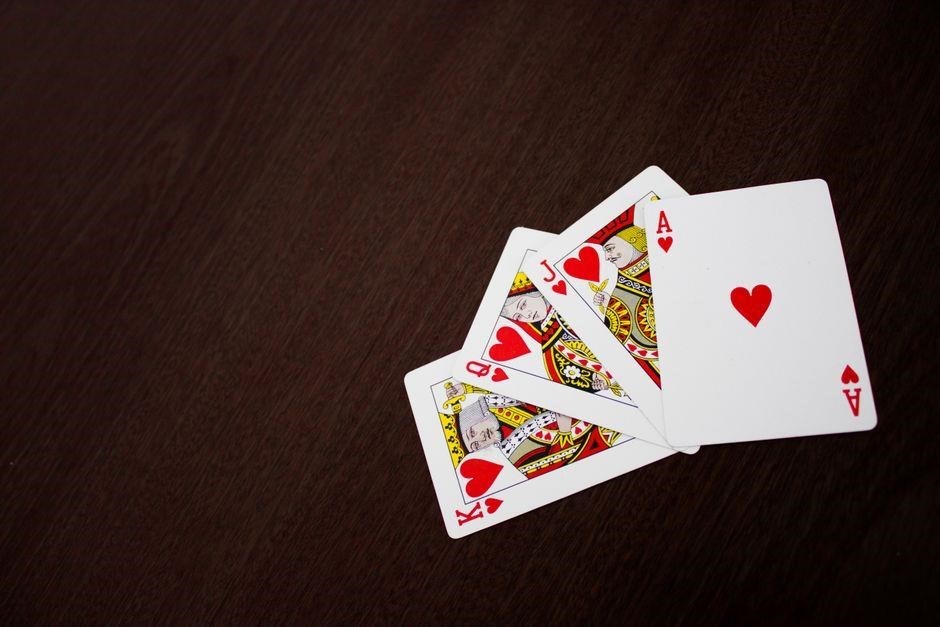
Melds and Grouping Rules
Melds are sets of three or more cards of the same rank or runs of at least three consecutive cards of the same suit. Wilds can replace cards, but each meld must contain at least two natural cards.! Keep playing! Go
Forming Groups
In Hand and Foot, a group is any legal meld that a player may lay down during their turn. The two primary types of groups are sets and runs. A set consists of three or more cards of the same rank, regardless of suit, while a run is a sequence of at least three consecutive cards of the same suit. Wild cards—usually jokers and twos—can substitute for any natural card, but each group must contain at least two natural cards to be valid. Players may create new groups from their hand or add to existing groups on the table, provided the resulting group still satisfies the set or run criteria. When adding to a run, the added card must extend the sequence either at the beginning, middle, or end, and the run must remain in ascending order. For sets, the added card must match the rank of the existing cards. A group may not contain more than one wild card unless the game variant allows double wilds; most standard rules permit only a single wild per group. Additionally, a group may not exceed the maximum size of the deck, which is 13 cards for a single player’s hand and foot combined. Players must keep track of the total number of cards in each group to avoid exceeding this limit. The formation of groups is a strategic decision: early groups can lock in points, while holding onto high‑value cards for later melds can be advantageous. Players should also consider the impact of discarding on potential future groups, as discarding a card that could complete a run or set may hinder their own or an opponent’s progress. Mastery of group formation requires balancing immediate point gains with long‑term strategy, making Hand and Foot a game of both skill and foresight. Players may also form a special 7‑card group for bonus points if completed first early now!
Minimum Cards and Points
In Hand and Foot, a legal meld requires at least three cards. A set is three or more cards of the same rank; a run is three or more consecutive cards of the same suit. Wilds—jokers and twos—can replace any card. Card values are fixed: Aces 15 face cards 10 and numbered cards equal to their face value. When a player first lays down a meld they must meet the threshold usually 50 for a set and 30 for a run. If the threshold is not reached the player must add cards until it is satisfied. Once a meld is laid it remains on the table for the rest of the round and other players may add to it. The total points of a meld are the sum of all card values with wilds counting as zero unless they complete a group that meets the requirement. Players can earn bonus points by completing special 7‑card groups or by going out with a full hand and foot. Strategic timing of melds and management of the hand foot are maximize points while minimizing exposure to opponents’ discards.

Gameplay Sequence
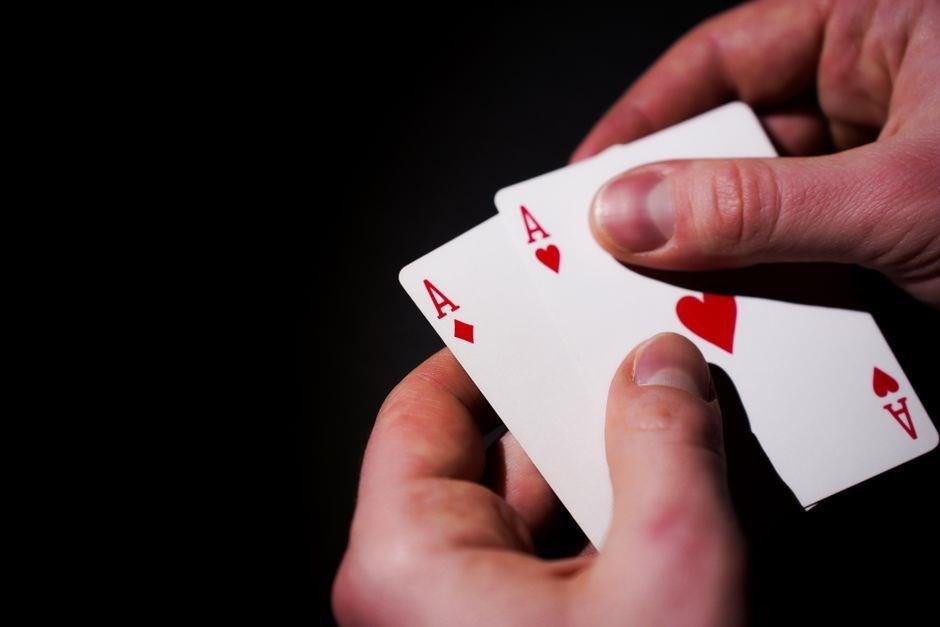
Players take turns drawing, melding, discarding, and switching from Hand to Foot. Each round ends when a player goes out, revealing all cards. The sequence repeats until the final round is scored. All must obey rule
Turn Order
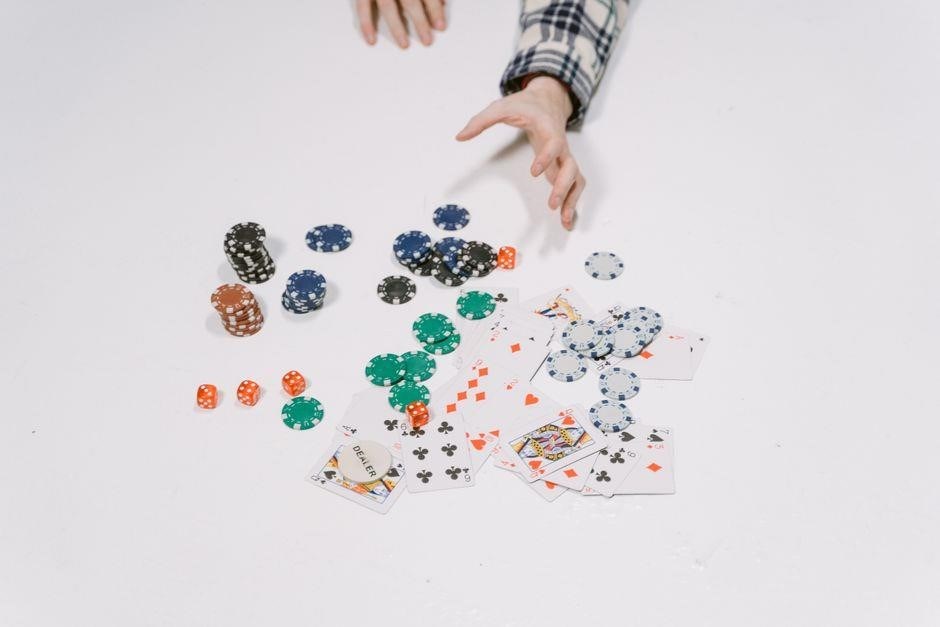
Turn order in Hand and Foot begins with the dealer, who deals the first card to the player on their left. After the initial deal, play proceeds clockwise. Each turn consists of drawing either the top card from the stock or the discard pile, then optionally melding or adding to existing melds, and finally discarding one card. Players may only discard from their Hand until it is empty; once the Hand is exhausted, they may only turn over the Foot after it is used. The Foot may be turned over only after the player has used all cards in their Hand and Foot, and the player must then continue drawing, melding, and discarding from the Foot. The turn order remains unchanged during this transition. A player may go out by discarding all cards in their Hand and Foot, provided they have a meld. The round ends when a player goes out, and the next round starts with the winner of the previous round becoming the new dealer. If a player goes out on the same turn as the dealer, the dealer still deals the next round. In case of a tie, the player who first completed the required melds wins the round.
Transition from Hand to Foot
When a player has used every card in their Hand, they may turn over the Foot. The Foot is a second 13‑card stack that has been dealt face‑down and has never been seen. The player may only flip the Foot after the Hand is completely exhausted. Once the Foot is turned over, the player immediately continues drawing, melding, and discarding from the Foot. The Foot may not be mixed with the Hand; all cards from the Hand must be discarded before the Foot is revealed. If a player goes out while still holding cards in the Hand, the Foot remains untouched until the next round. The transition is strategic: players often delay turning the Foot until a solid meld base is built . The dealer’s turn does not change; play still proceeds clockwise. The Foot must be turned face‑up in front of the player, and the cards are kept visible to all participants. After the Foot is revealed, the player may immediately draw from the stock or discard pile, play any new melds, and discard one card, just as they would during the Hand phase. The round ends when a player goes out, regardless of whether they are playing from the Hand or the Foot.
Going Out Conditions
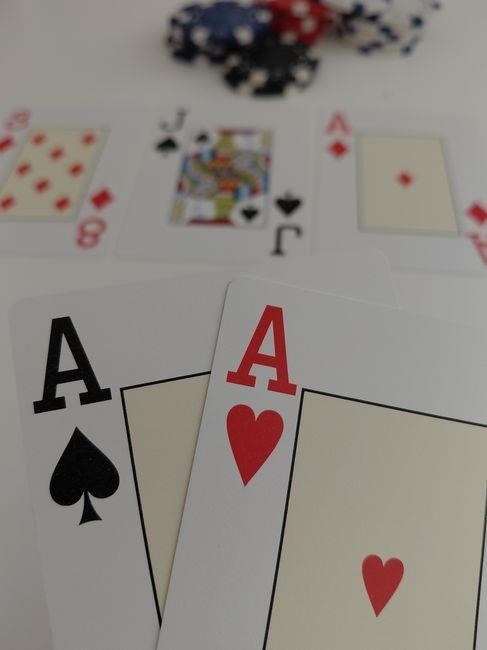
To finish a round, a player must have a complete Hand or Foot, meld at least 30 points, and discard a non‑joker. The last discard ends the round; opponents score remaining cards.!!!!!
Ending the Hand
When a player has exhausted all 13 cards in the Hand, they may declare a “go out” if the Hand meets the minimum meld requirement, usually 30 points. The player must lay down all melds, discard the final card, and the round ends. Opponents then tally the value of any cards left in their Hands, with face cards worth 10, Aces 15, and jokers 50. The player who goes out receives a bonus of 100 points, plus any over‑30 bonus from the total of their melds. If the player’s Hand contains a “dirty” book (a meld with a joker), the bonus is reduced by 50 points. The Hand is considered finished before the Foot is opened; the Foot remains face‑down until the next round. If a player cannot go out, the game continues with the next player’s turn. The round ends when a player goes out or the deck is exhausted, at which point scores are tallied and the next round begins. The process repeats until the predetermined number of rounds is completed, determining the overall winner. Players may also earn bonus points for special melds such as a seven‑card straight or a four‑card color set, which can swing the outcome!.
Ending the Foot
After the Hand has been fully played, the player turns over the Foot, which is then laid face‑up for all to see! The Foot must be played; no further cards may be drawn until the Foot is exhausted. A player may declare a go‑out after the Foot has been fully revealed and the final discard has been made. Jokers in the Foot count as 50 points, while natural cards count at face value, with aces worth 15, tens and face cards 10, and others 5. The minimum meld requirement to go out remains 30 points, and any books (melds containing a joker) reduce the bonus by 50 points. If a player meet the requirement, the round ends, and the opponent scores the point value of all remaining cards in the Foot. The Foot is considered closed once it has been played; it cannot be reshuffled or replaced. The round concludes when a player goes out the stock is exhausted, after which scores are tallied and the next round begins! The Foot adds a layer, forcing players to plan for a second wave of cards and to manage their hand! The game continues until the number of rounds is completed, determining the overall winner!

Scoring System
Points come from melds: jokers 50, aces 15, tens/face 10, others 5. A hand must reach 30 points to go out. Winners add opponent’s remaining card values to their score. First to 500 points wins!
Point Allocation
Point allocation in Hand and Foot is based on the value of each card in a meld. Jokers and wild cards are worth 50 points each. Aces score 15 points, while all face cards (King, Queen, Jack) and tens are worth 10 points. All other numbered cards (2–9) are worth 5 points each. A meld must reach a minimum of 30 points before a player may declare “Go‑Out.” When a player goes out, they receive a bonus of 100 points, and the opponent’s cards are added to the score as a penalty. If a player fails to go out by the end of the round, now opponent receives 200 points
Winning Rounds and Final Victory
In Hand and Foot, each player receives two 13‑card piles: a visible Hand and a hidden Foot. The Hand is played first; the Foot remains face‑down until the Hand is exhausted. Melds are formed by grouping three or more cards of the same rank, and a minimum of 30 points must be reached before a player can go out. A player may declare “Go‑Out” only after all cards in both the Hand and the Foot are melded. The final round ends when the last card is played, and the player with the lowest score is eliminated. After the final round, players tally points from all melds and add any remaining cards as penalties. The game ends when a player reaches 5,000 points or when all cards are played, and the winner receives a trophy. Players may form special melds like a “clean” or “dirty” book, using natural cards, or wild cards. If a player cannot form any melds, they may draw a card and discard one, continuing the play until a meld is possible. Players may also form special melds such as a “clean” book, which contains only natural cards, or a “dirty” book that includes wild cards. Melds must meet the minimum point requirement, and players can only add cards to existing melds if the total remains above the threshold. At the end of each round, the dealer collects all discarded cards and reshuffles the deck for the next round. If a player cannot form any melds, they may draw a card and discard one, continuing the play until a meld is possible.